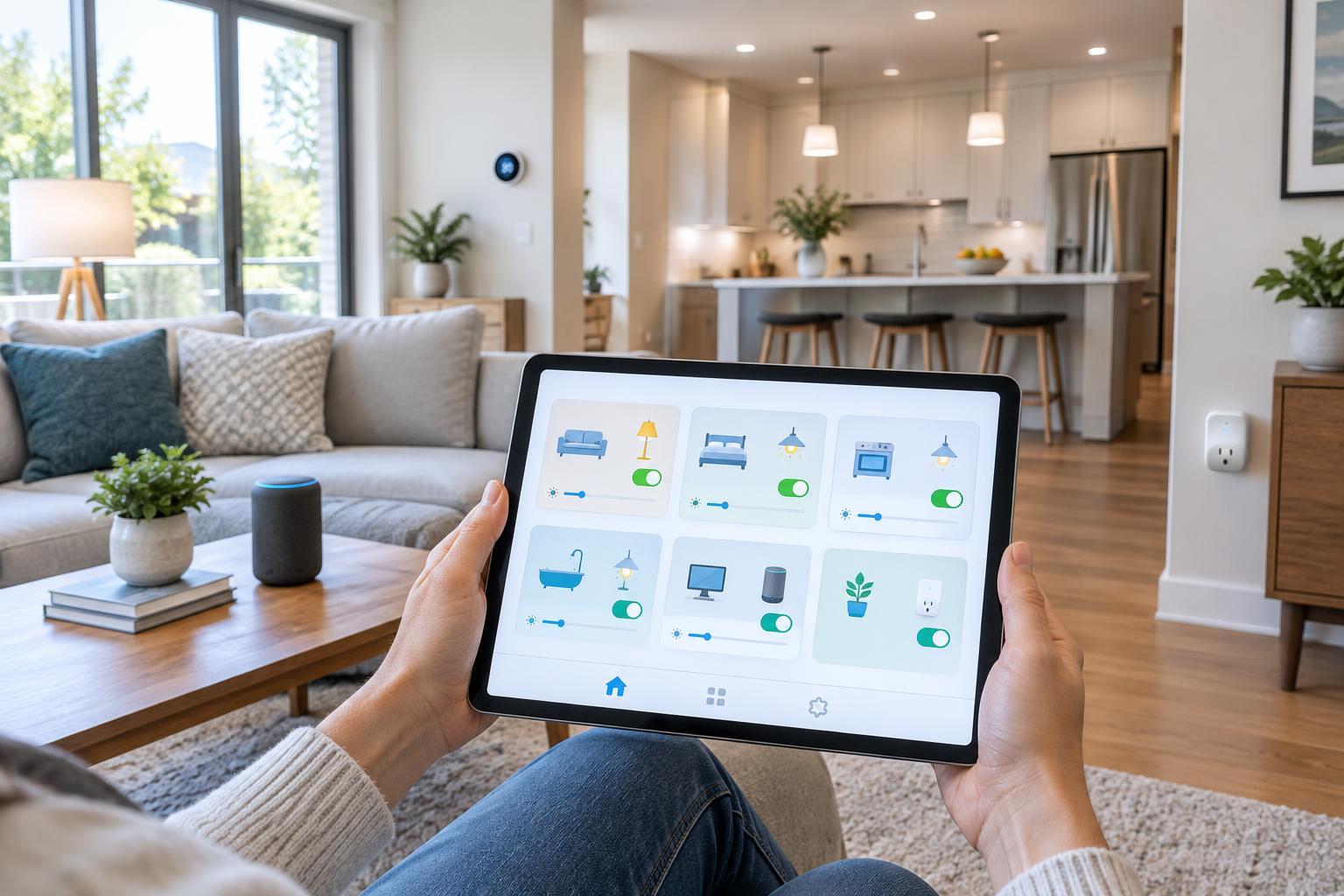
Home AutomationA consistent naming system makes smart home devices easier to find, control, and troubleshoot. Learn how to name devices and rooms, build useful groups, and keep your setup understandable as it grows.
Read article · 4 min↗

Home AutomationA video doorbell is most useful when it notices visitors without announcing every passing car. Learn how to shape motion zones, choose alert types, and test your settings against everyday activity.
Read article · 4 min↗
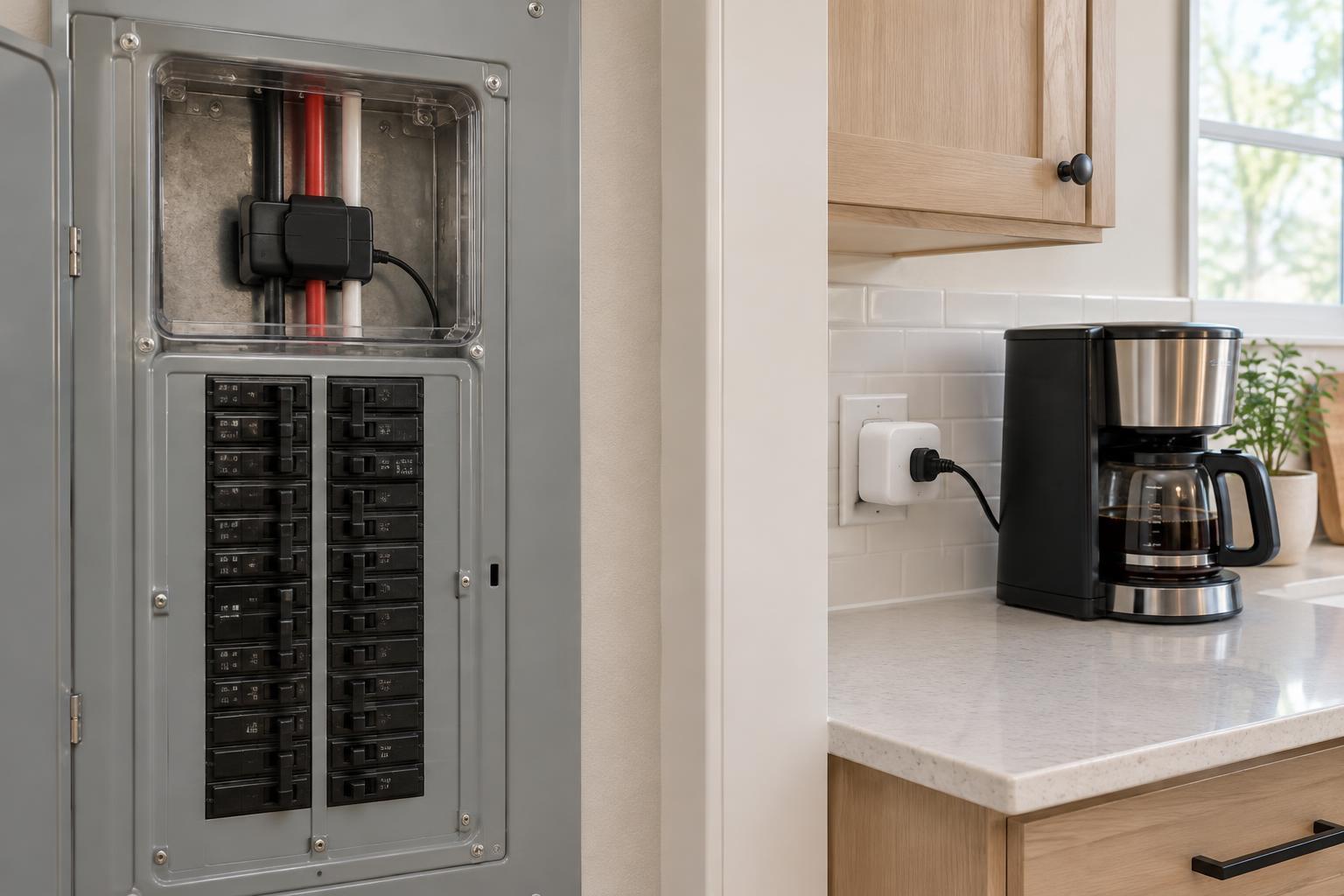
Home AutomationWhole-home monitors show how electricity use changes across a property, while device-level monitors reveal what individual appliances consume. Learn what each approach measures, where estimates can mislead, and how to choose a useful setup.
Read article · 4 min↗
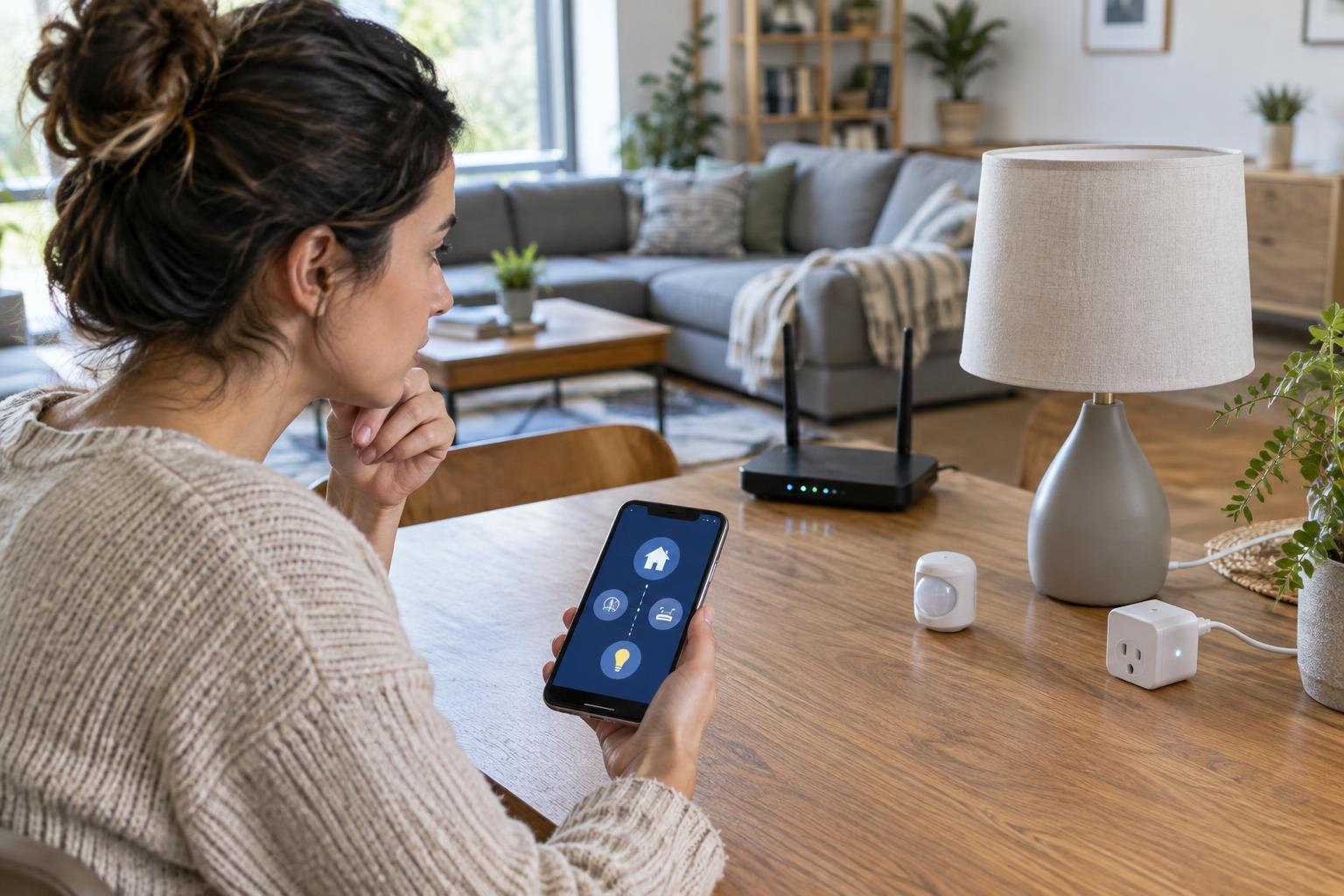
Home AutomationWhen a smart home routine fails, the cause may be its trigger, conditions, device connection, or action settings. Use a step-by-step process to find the point of failure and test a reliable fix.
Read article · 4 min↗
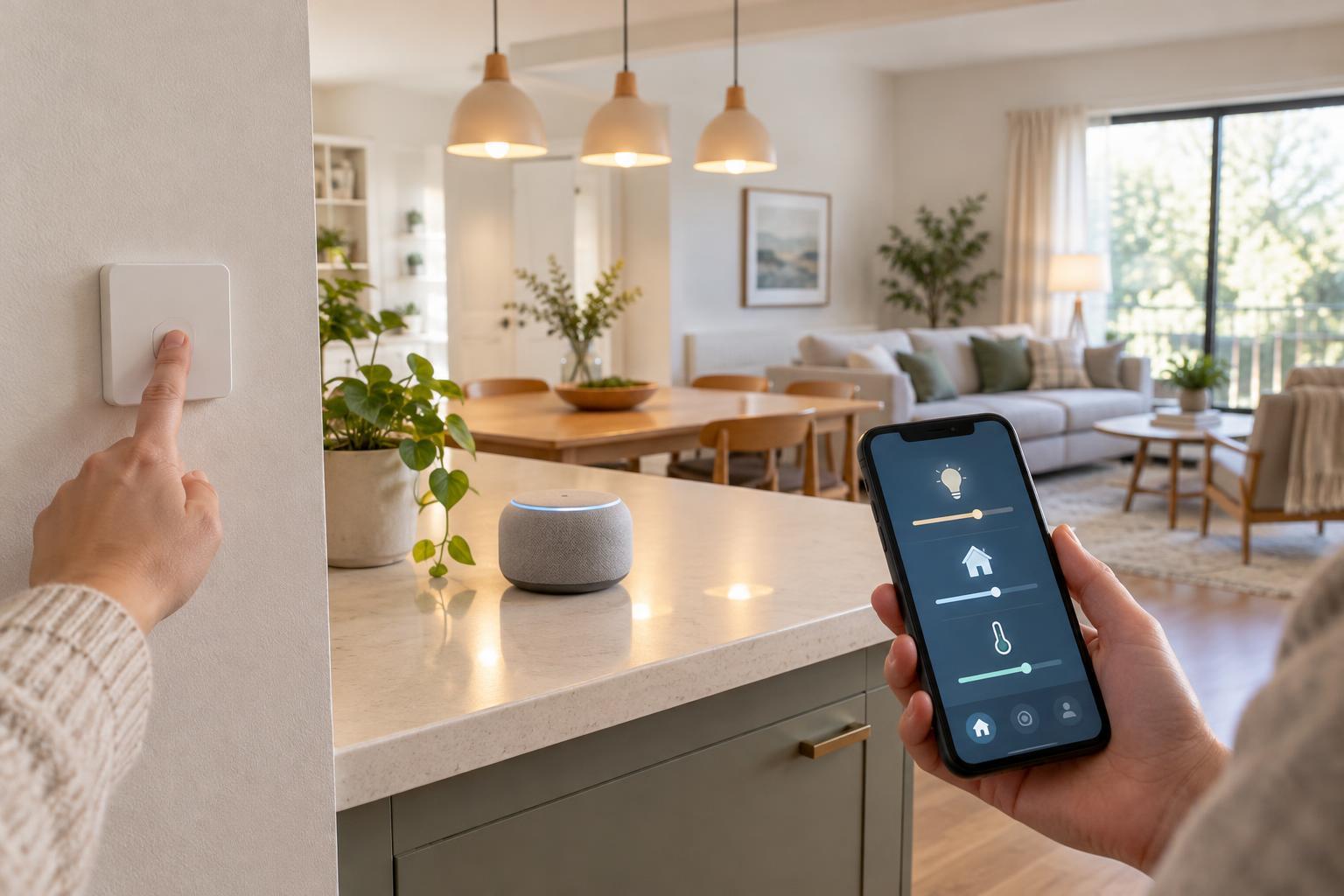
Home AutomationVoice commands, physical buttons, and phone apps each make a smart home easier in different situations. Learn where each works best and how to combine them into a setup that remains usable when a phone, internet connection, or voice command is unavailable.
Read article · 4 min↗

Home AutomationPhone geofencing can turn lights on when you get home or lower the thermostat when everyone leaves. Learn how arrival and departure triggers work, what can make them unreliable, and how to set up safer, more useful routines.
Read article · 5 min↗

Home AutomationA scene sets devices to a chosen state, a schedule decides when something happens, and a sensor trigger responds to a change. Learn how to combine them without creating confusing or unreliable routines.
Read article · 3 min↗
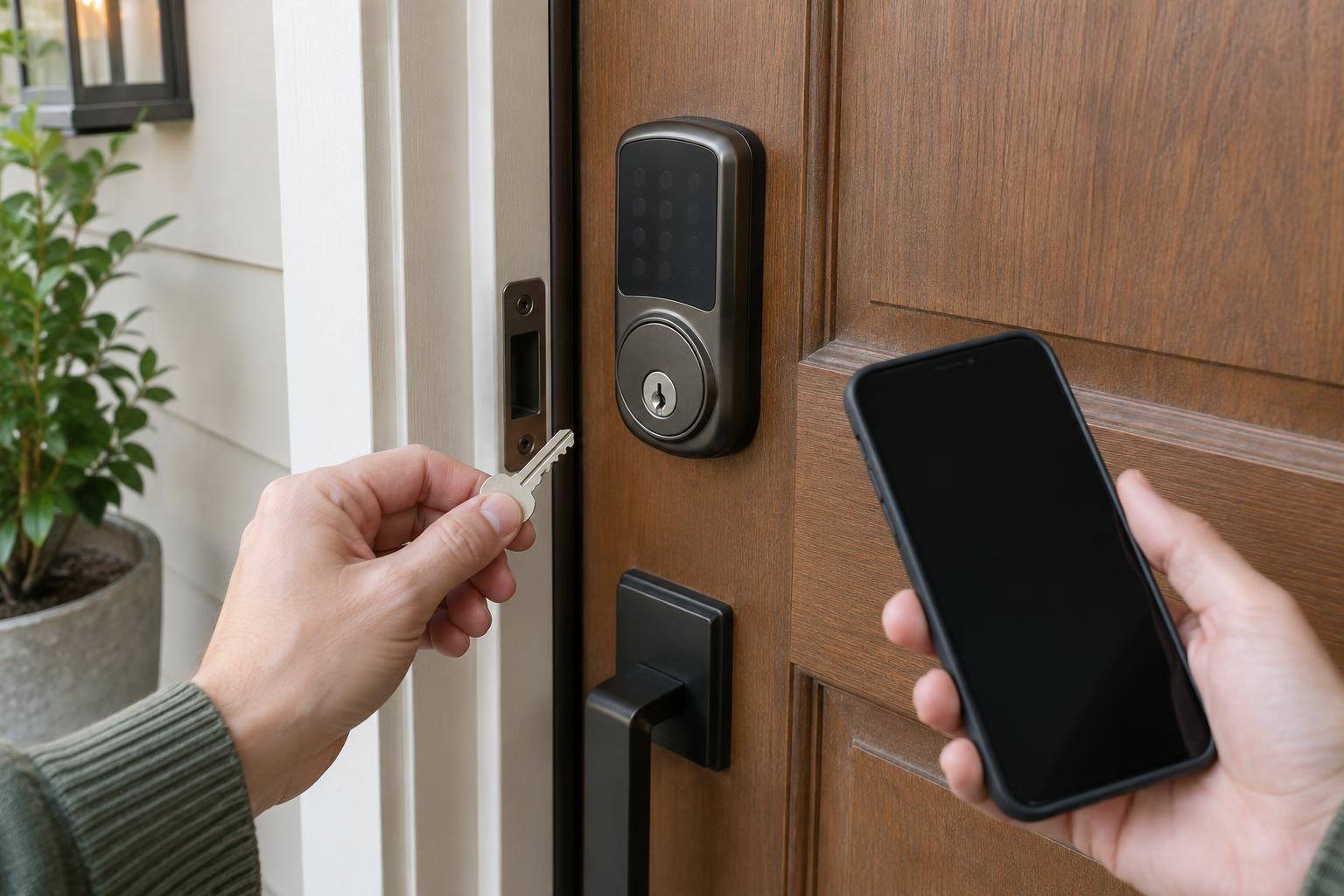
Home AutomationA smart lock can make it easier to manage access to a home, but the right choice depends on more than its app. Learn how common entry methods work, what to check on the door, and how to plan for a dead battery or lost phone.
Read article · 4 min↗
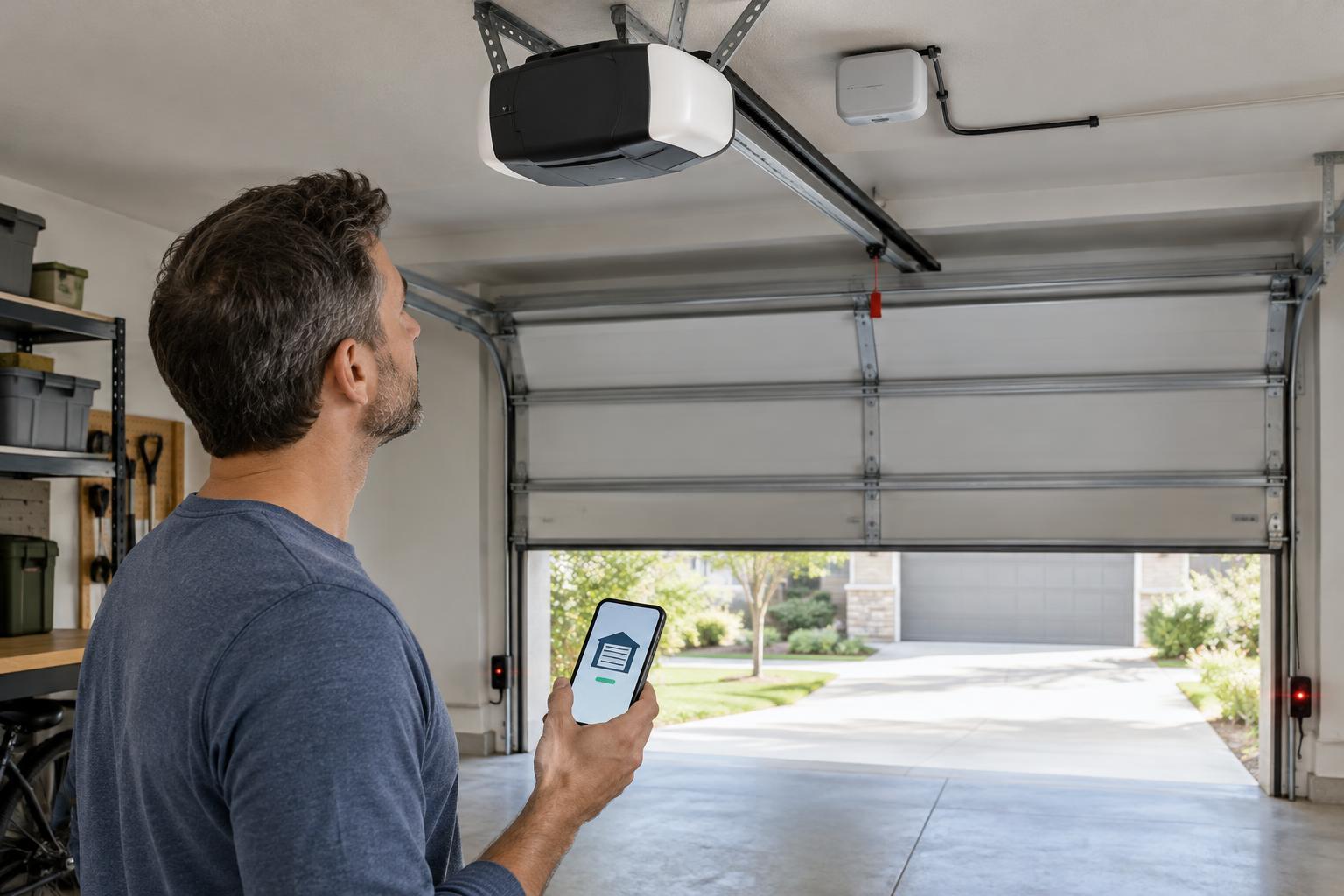
Home AutomationA smart garage door controller can add status alerts and remote operation to an existing opener, but compatibility and safe operation matter more than app features. Learn what to check before buying, installing, and using one.
Read article · 4 min↗
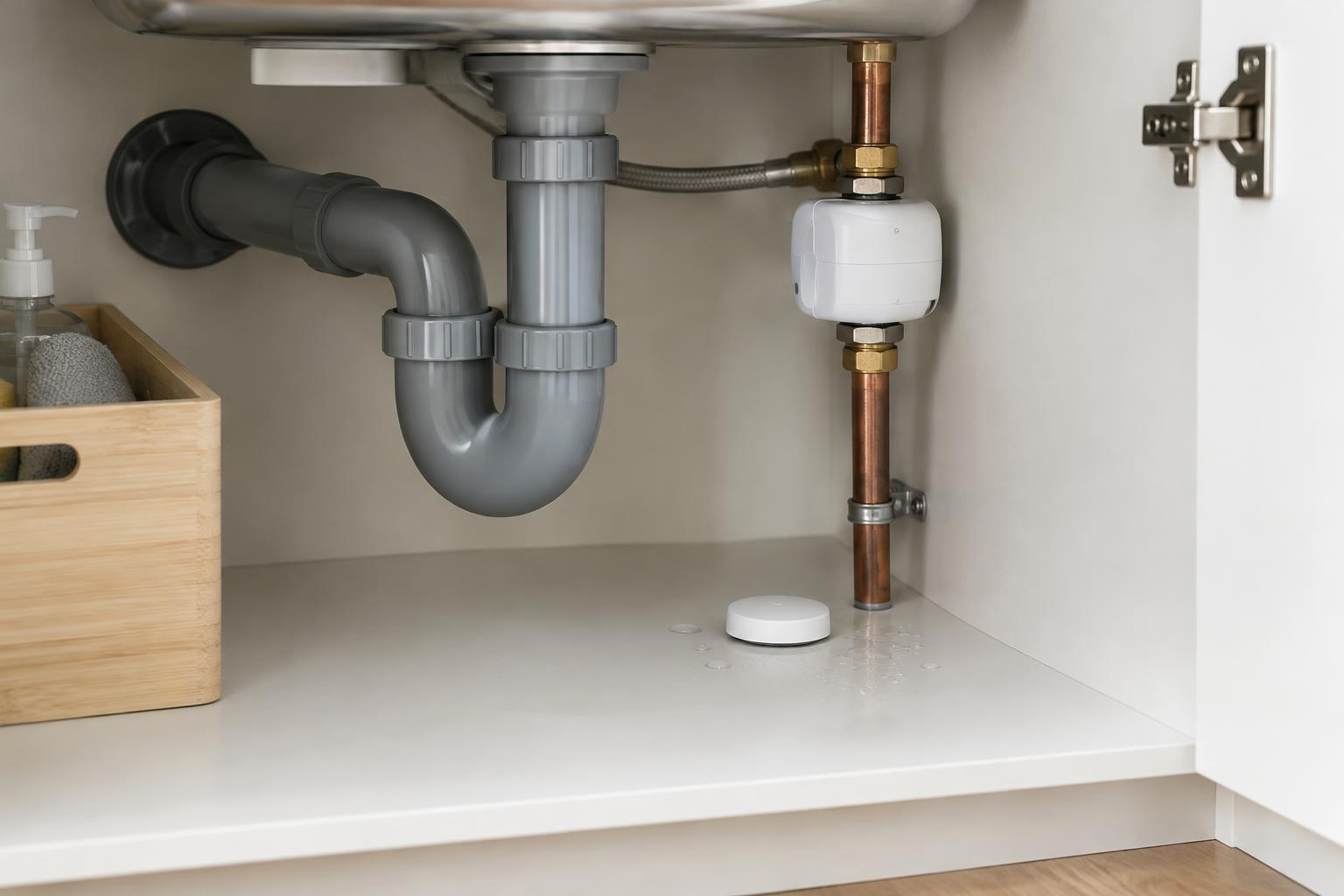
Home AutomationA water leak sensor can warn you about moisture, while an automatic shutoff valve can stop water from continuing to flow through a supply line. Learn how the devices communicate, where to place sensors, and what to check before relying on the system.
Read article · 4 min↗

Home AutomationSmart window coverings can run on batteries or wiring and respond to remotes, schedules, or home automation systems. Learn how motor design, power, fit, and control options affect everyday use.
Read article · 4 min↗
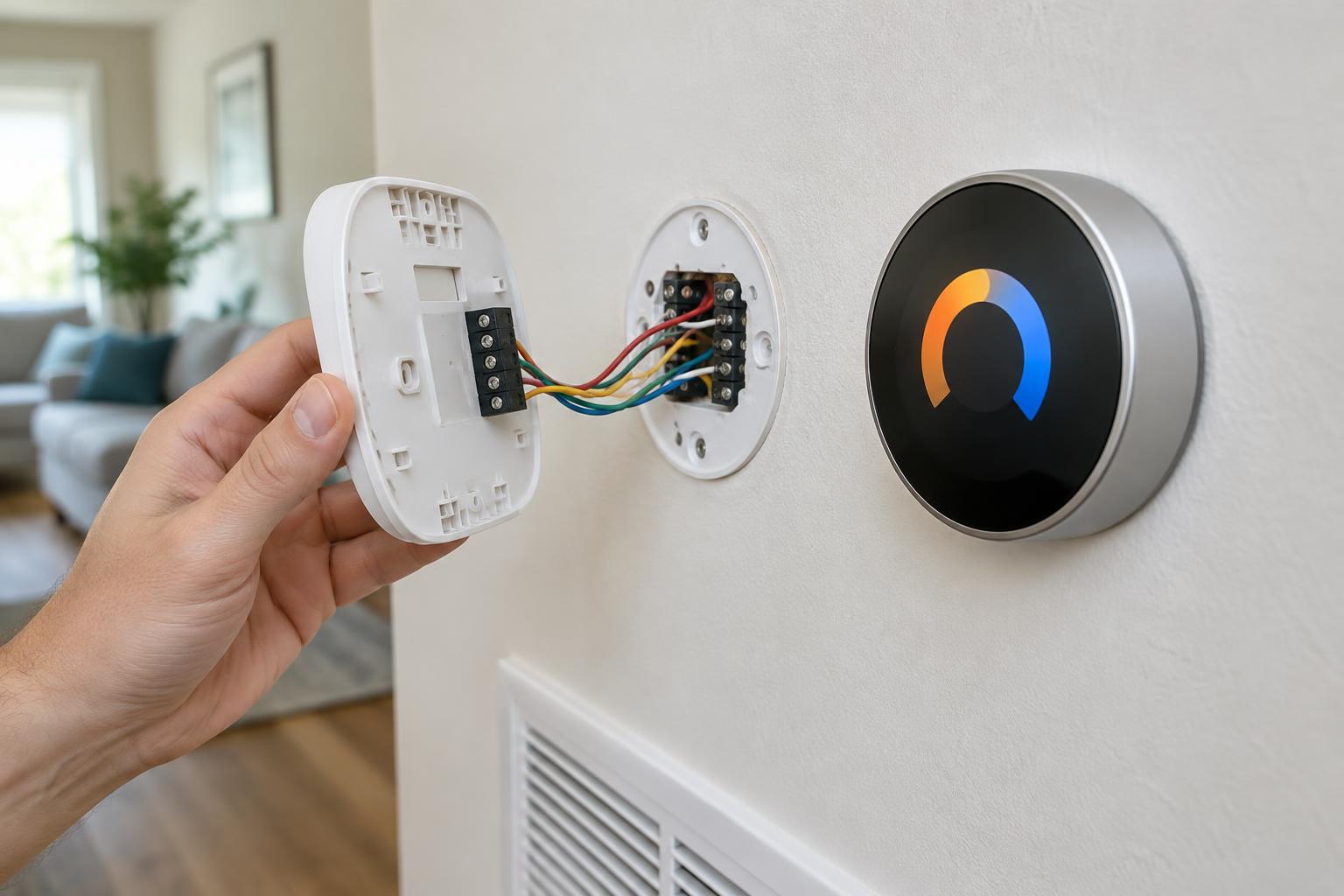
Home AutomationA smart thermostat is useful only if it works with your heating and cooling system. Learn what to check before buying, how to assess wiring safely, and which scheduling features are worth using.
Read article · 4 min↗
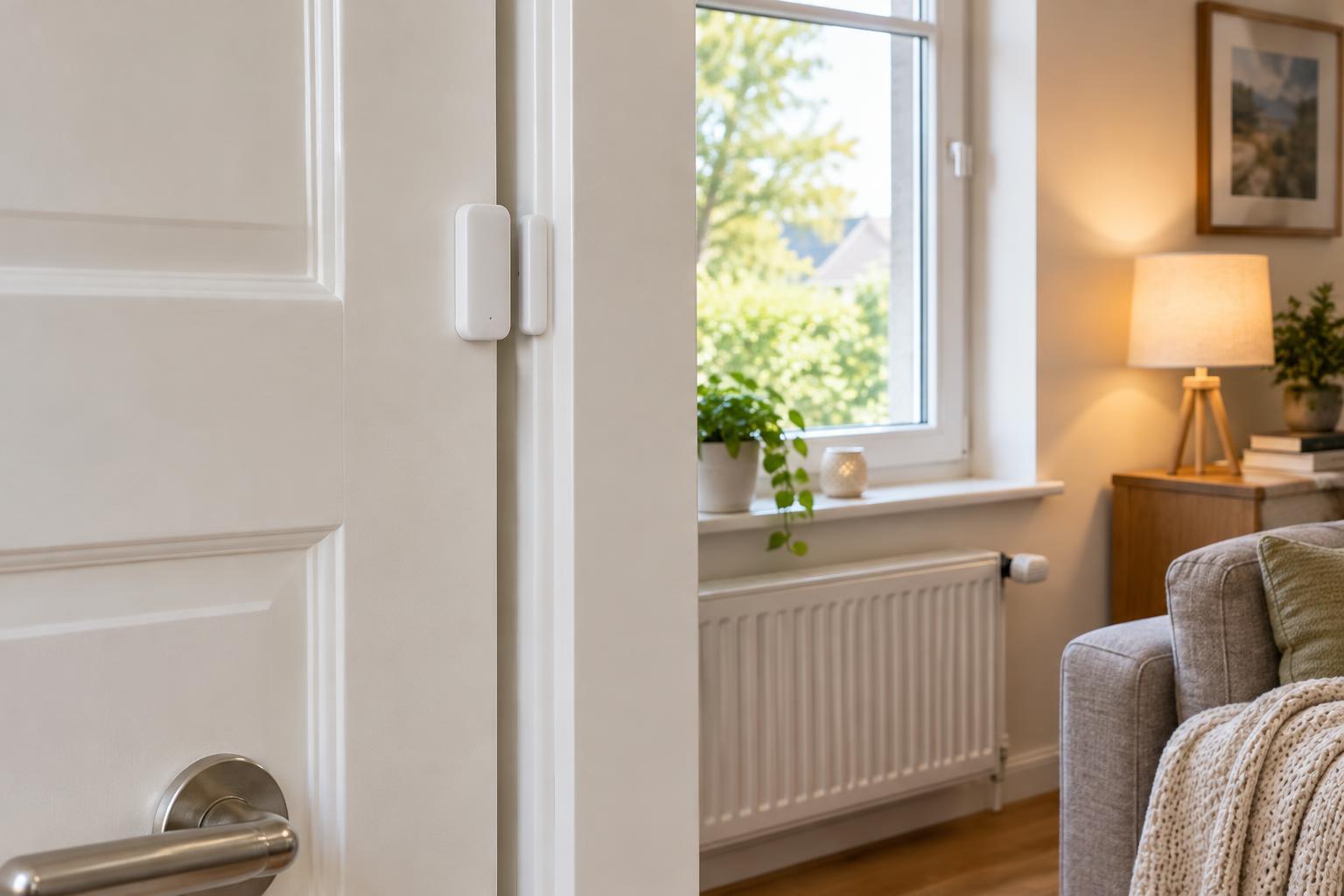
Home AutomationContact sensors can do more than report whether a door or window is open. Learn how to place and test them, then use their signals for lighting, heating, reminders and security-minded alerts without creating noisy or unreliable automations.
Read article · 4 min↗

Home AutomationA motion sensor is often enough for a hallway, while a presence sensor may work better where someone sits still. Learn how the two differ, where each fits, and how to set up room automations that respond reliably.
Read article · 4 min↗
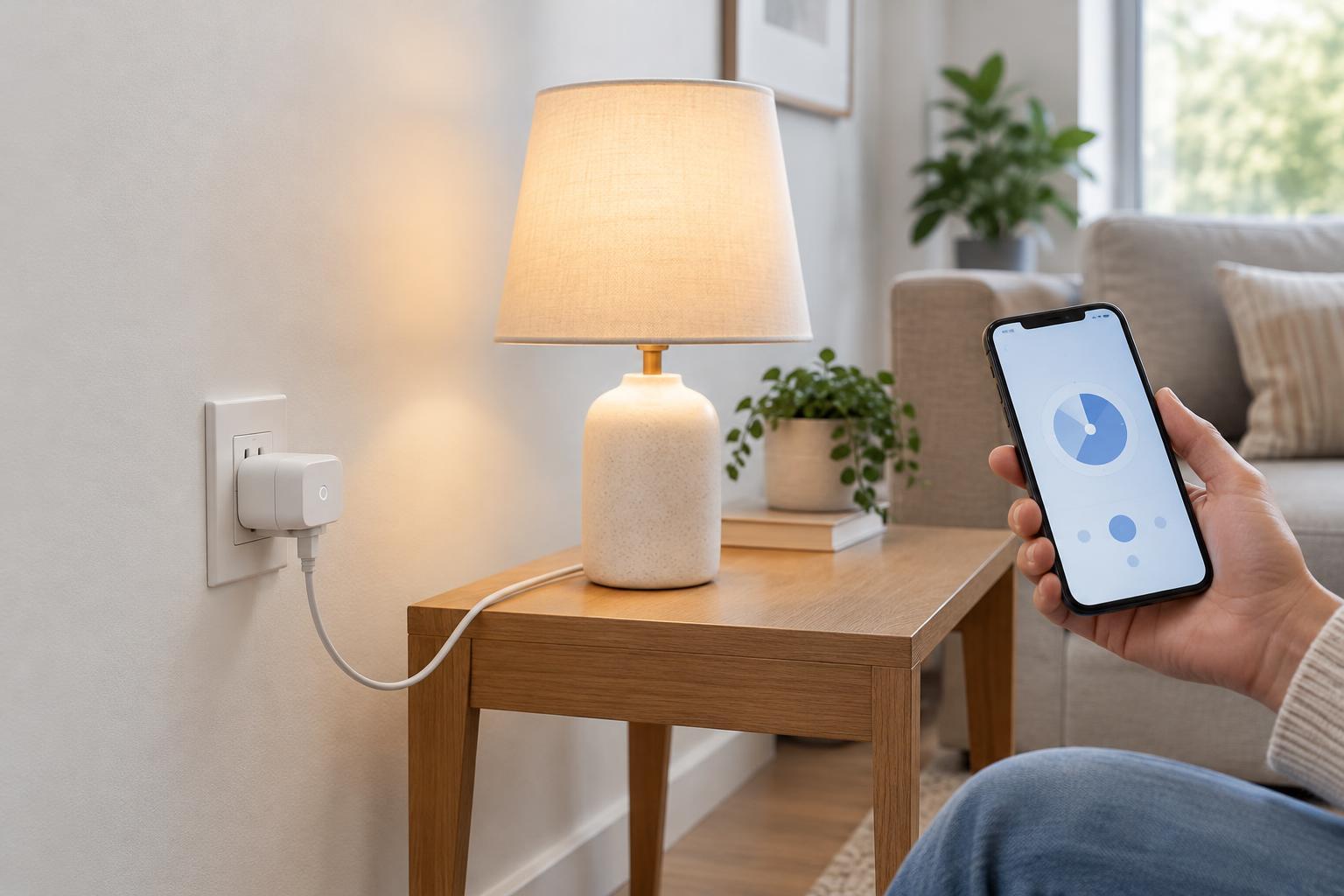
Home AutomationSmart plugs make ordinary devices easier to control, but they are not suitable for every appliance. Learn how to check electrical ratings, choose sensible schedules, and avoid common setup mistakes.
Read article · 4 min↗
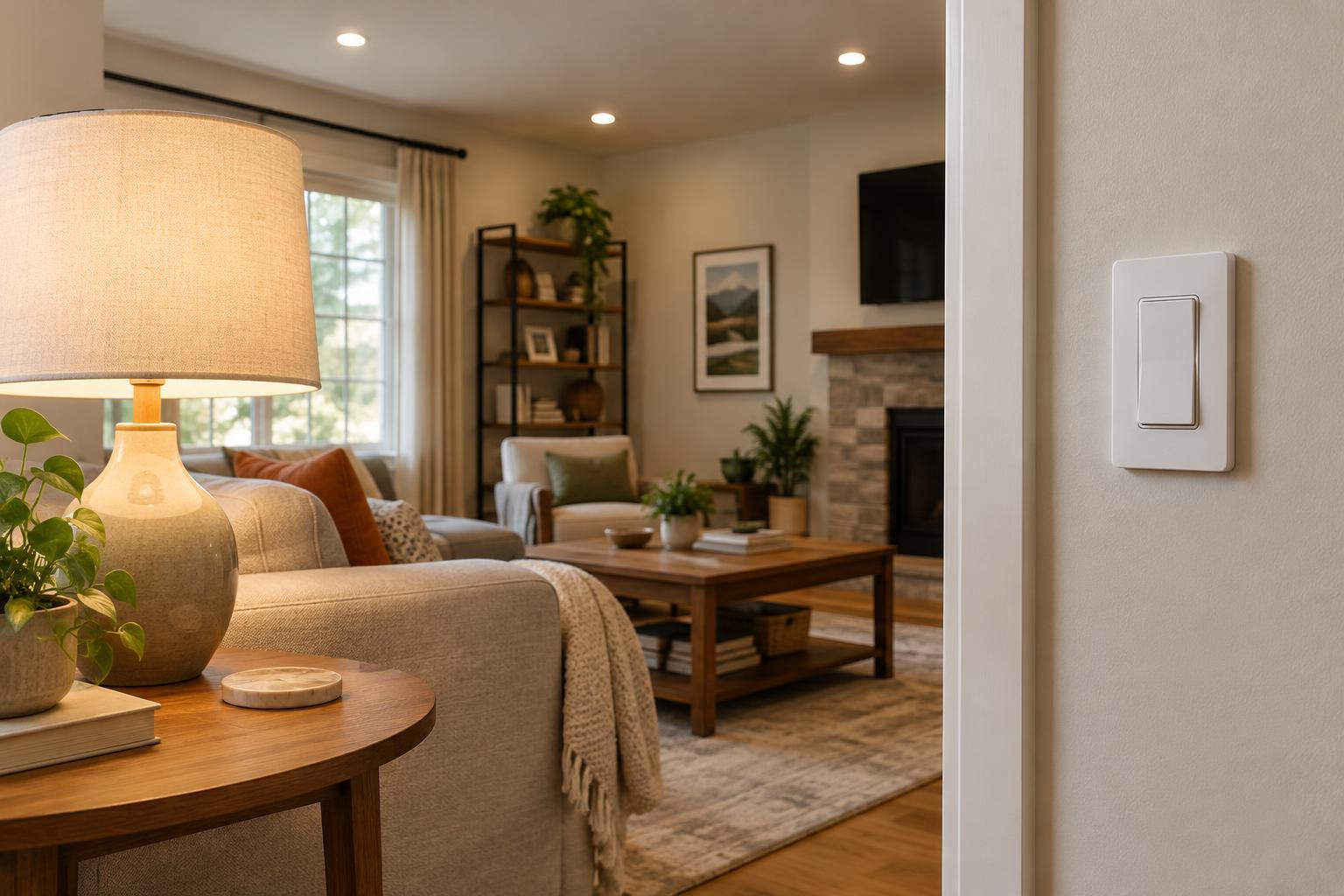
Home AutomationSmart bulbs offer color and control over individual lamps, while smart switches make a room’s existing lights easier for everyone to use. The better choice depends on the fixtures, wiring, household habits, and what you want the lights to do.
Read article · 4 min↗
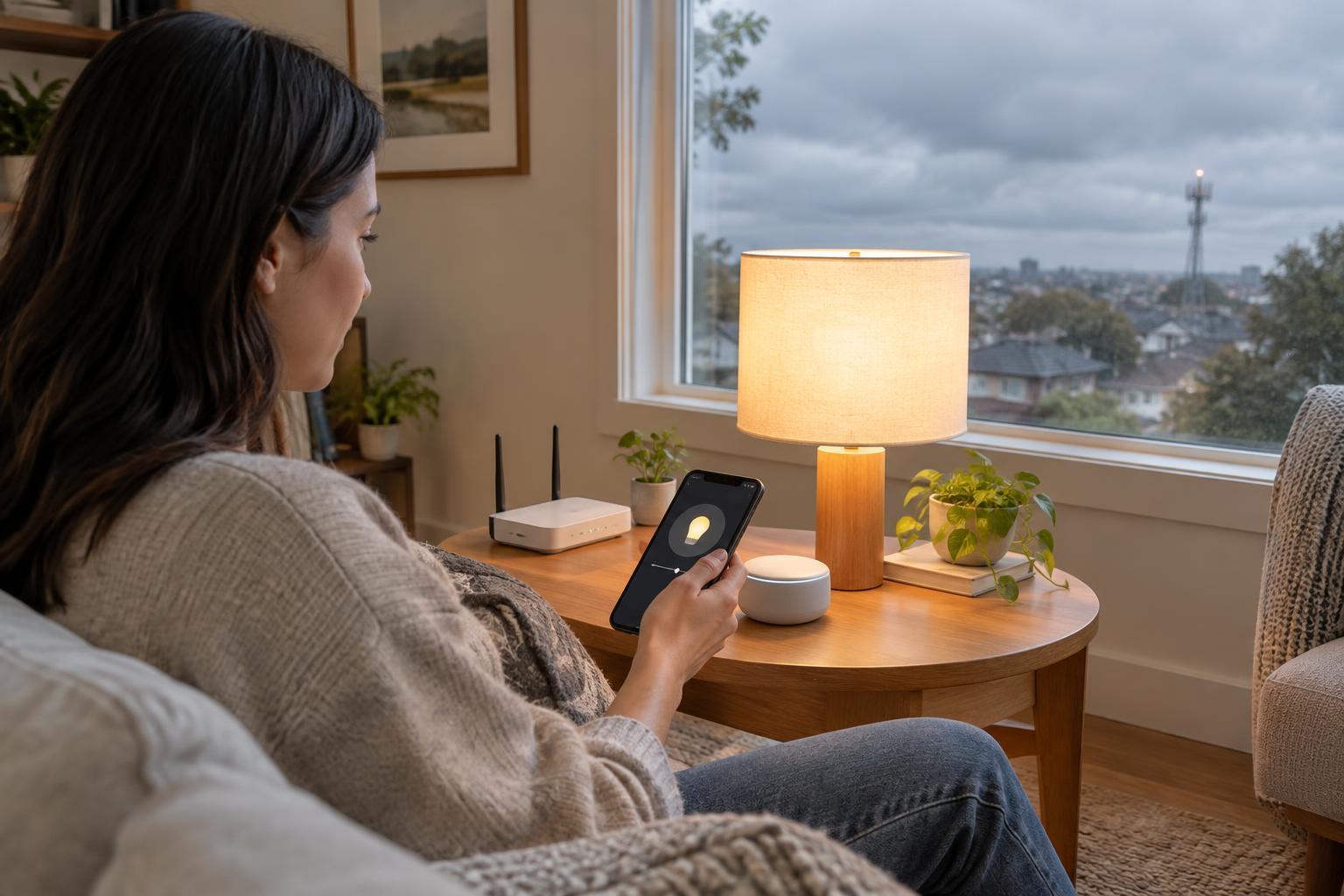
Home AutomationA smart home can lose its internet connection without losing every smart feature. Learn which controls may keep working, what can fail even when Wi-Fi is available, and how to check your own setup before an outage.
Read article · 4 min↗
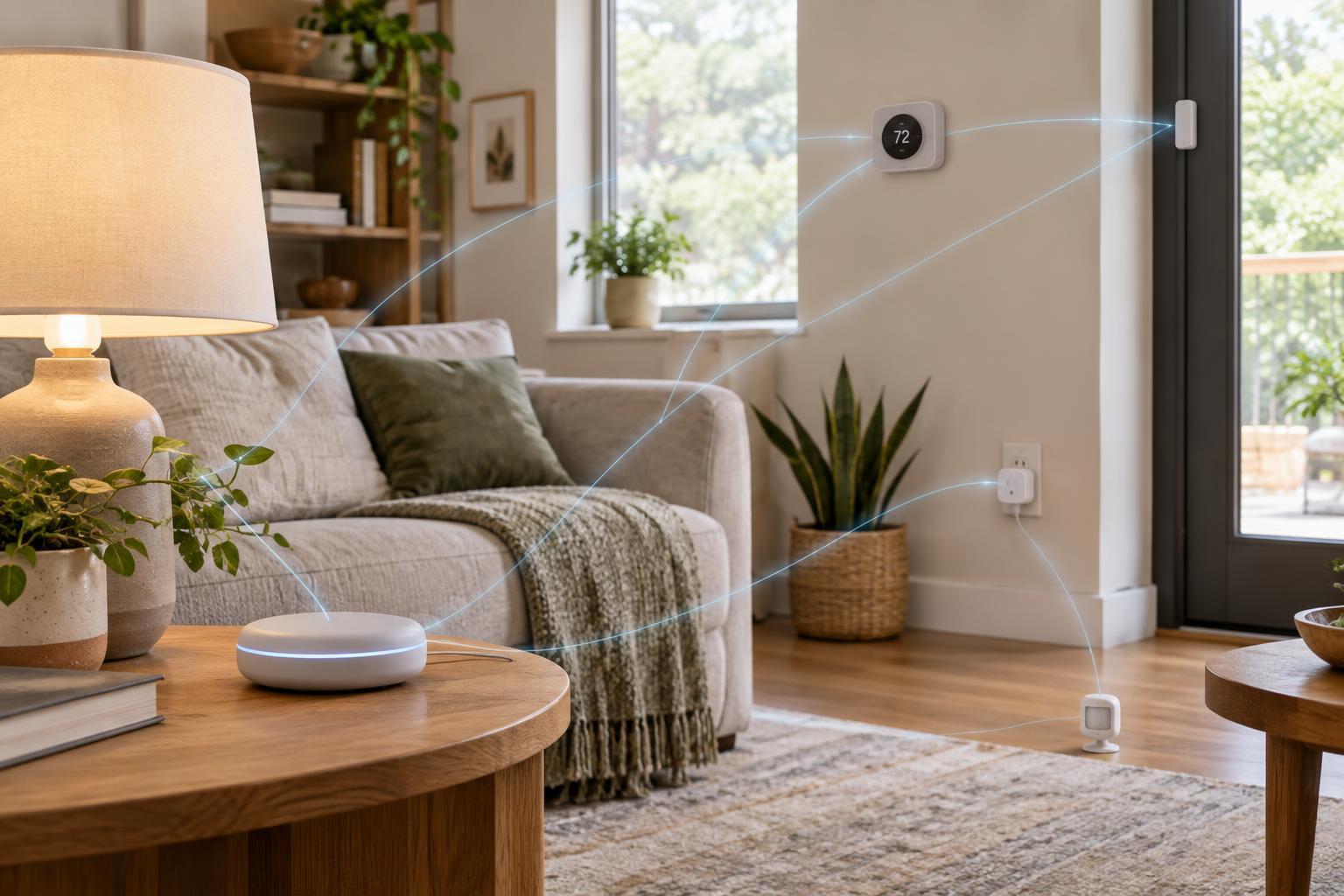
Home AutomationZigbee, Z-Wave and Thread can all connect smart home devices without putting every sensor directly on Wi-Fi. Learn how their hubs, mesh networks and compatibility requirements differ—and what to check before buying.
Read article · 4 min↗
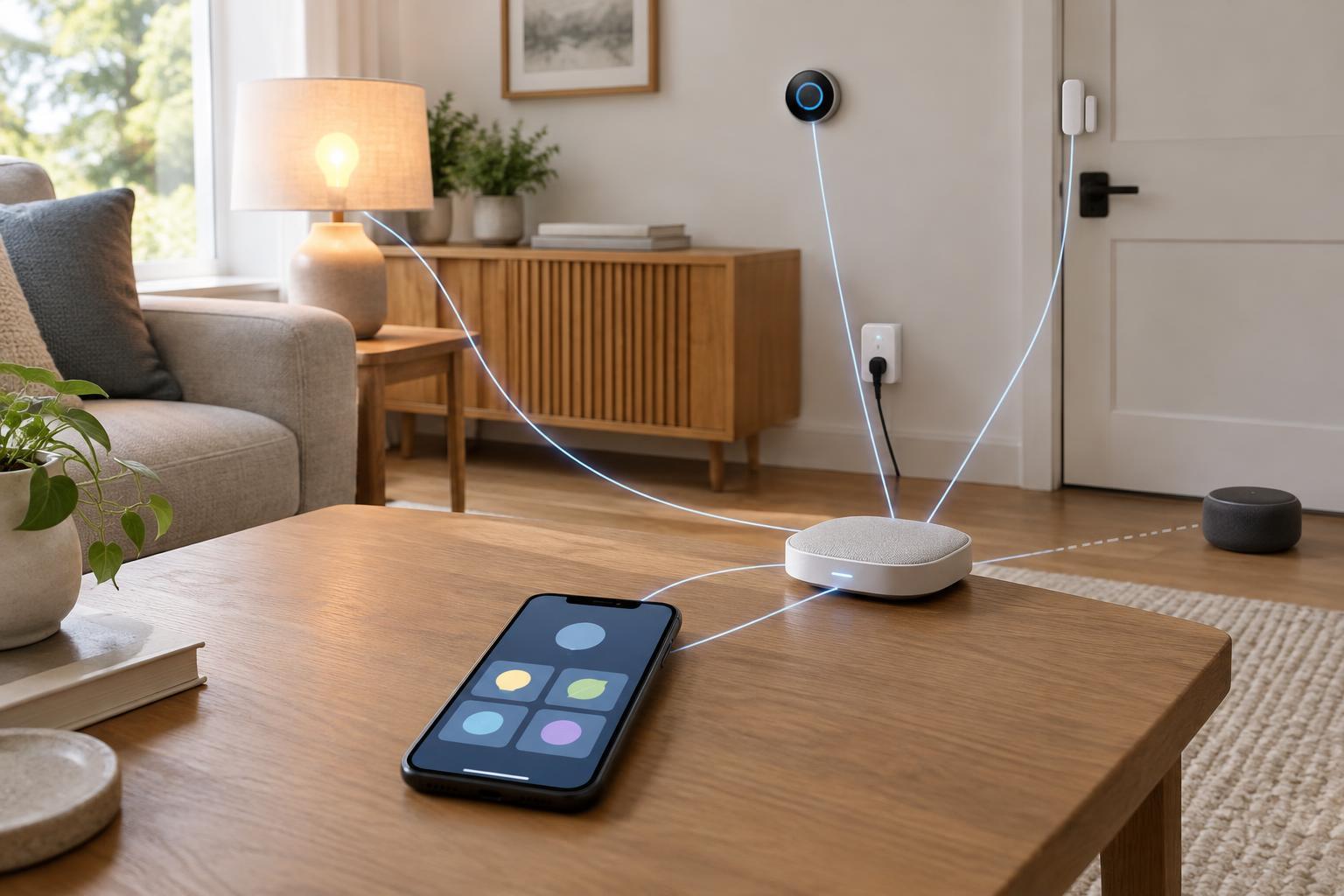
Home AutomationMatter gives supported smart home devices a common way to connect with compatible ecosystems. Learn what the standard simplifies, where Thread and bridges fit in, and why a Matter logo does not guarantee every feature will work in every app.
Read article · 4 min↗
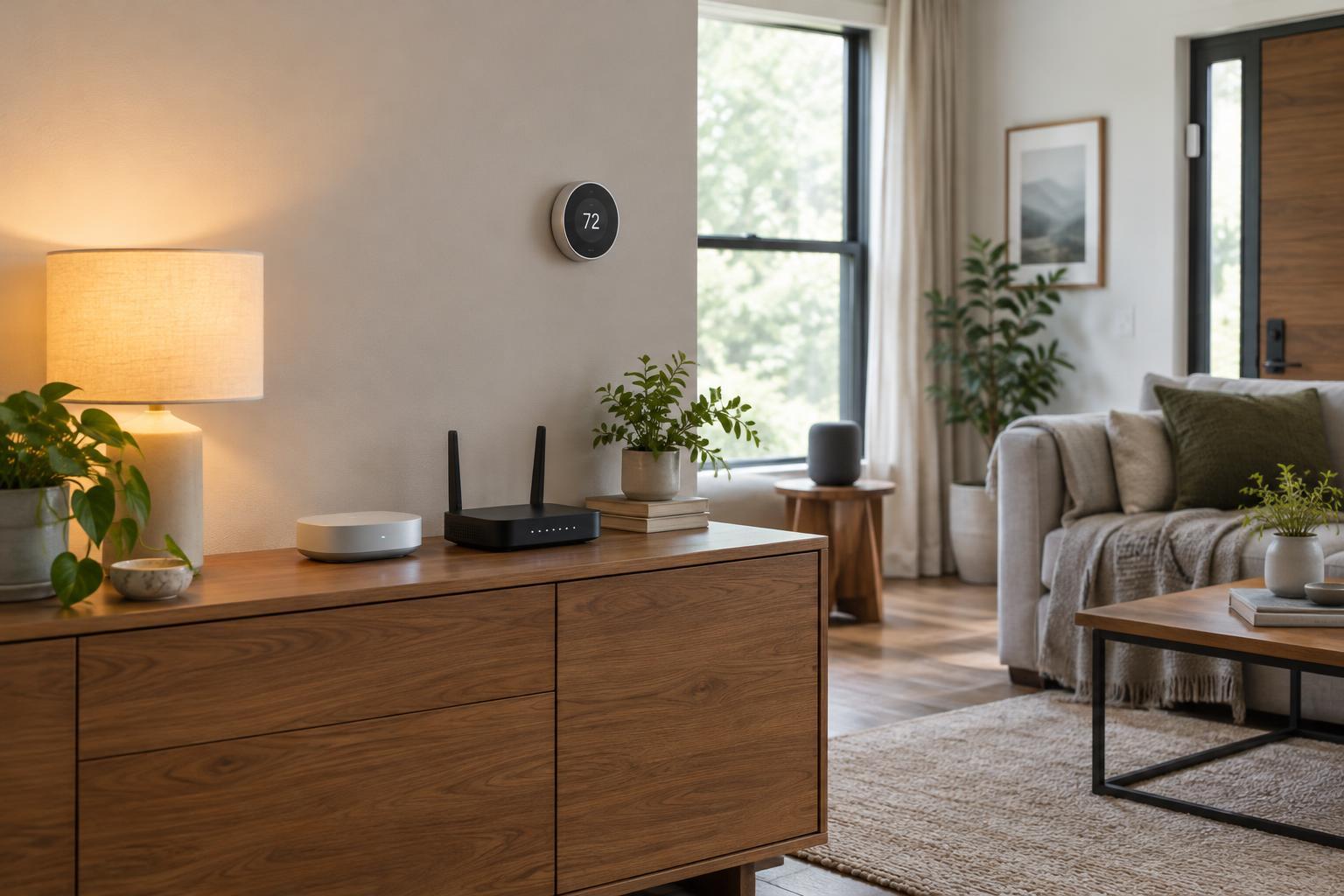
Home AutomationA smart home can run through individual device apps, a shared platform, or a dedicated hub. Learn what each approach does well, where a central controller helps, and how to choose without buying more equipment than you need.
Read article · 4 min↗
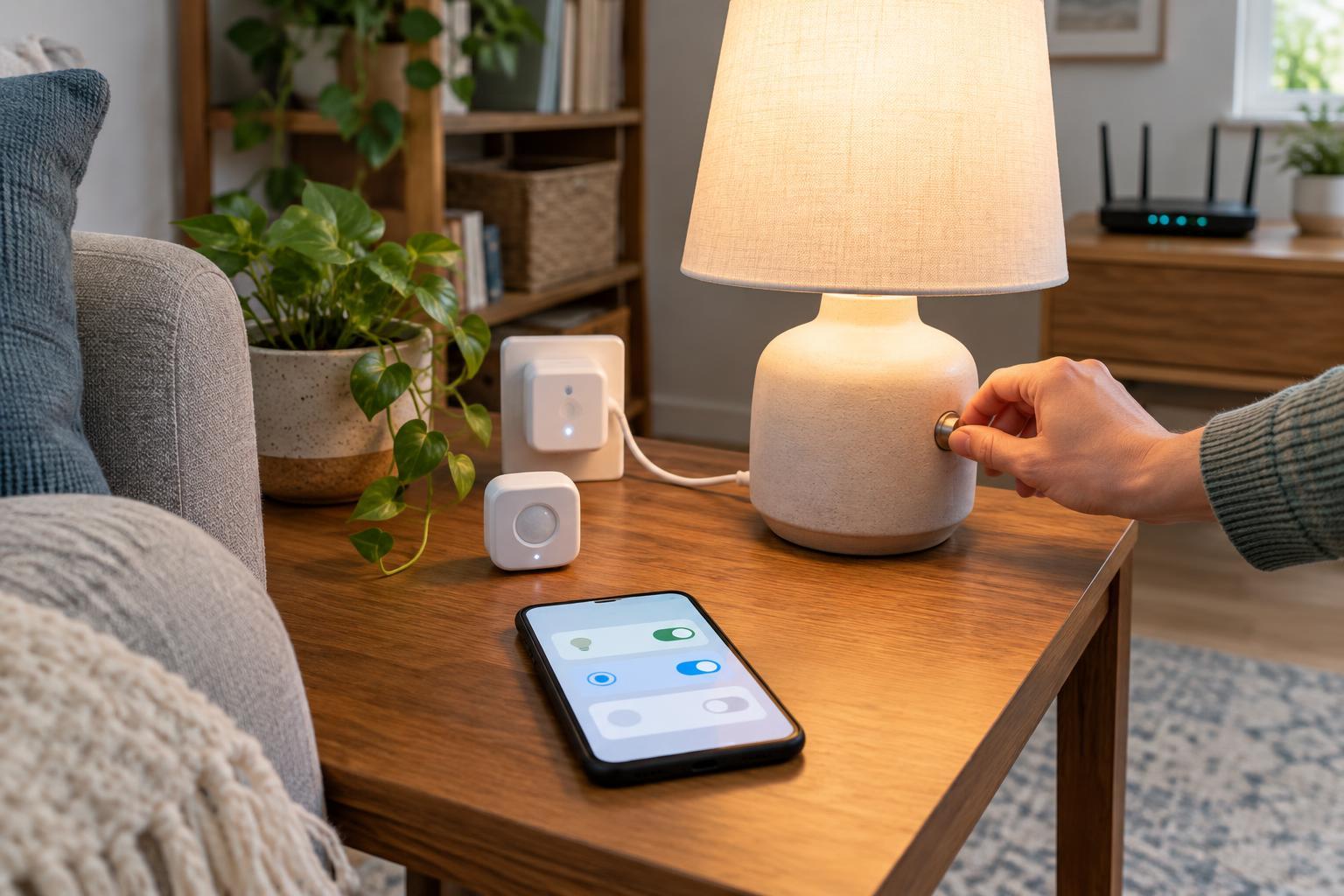
Home AutomationA useful home automation starts with one clear job, not a basket of gadgets. Learn how to choose a small first project, check device compatibility, build a routine with sensible limits, and test what happens when the network or a device fails.
Read article · 4 min↗